Tag: Clinician’s Brief

  • Osteoarthritis: The Most Common Joint Disorder in Dogs

    Osteoarthritis: The Most Common Joint Disorder in Dogs

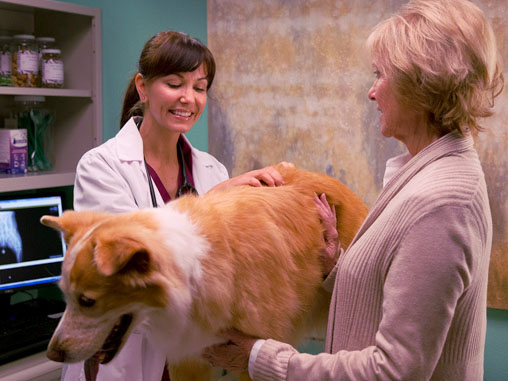
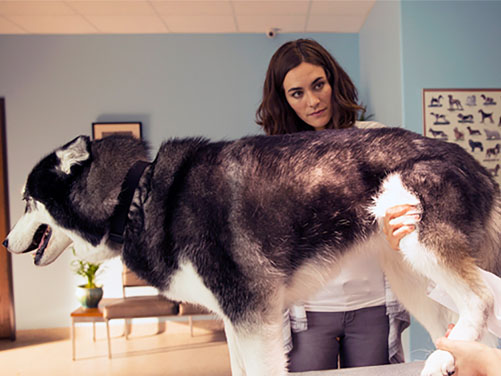
    Osteoarthritis (OA) is the most common joint disorder diagnosed in dogs.1 OA is a term used to describe the process of joint cartilage degeneration. It is a chronic, progressive, and inflammatory disorder that results in articular cartilage damage as well as degenerative and proliferative changes in the joint.

    Normal joint cartilage is composed of collagen and protein matrix that is produced, assembled, and maintained by a relatively small number of chondrocytes. Damage to articular cartilage may result from abnormal mechanical stress on the joint or an idiopathic phenomenon. These abnormal stresses can include congenital deformities, abnormal conformation, or trauma.

    Disruption to the normal articular surface or joint instability can alter the normal wear pattern of joint cartilage and increase the turnover rate of the articular matrix. Even though this process is largely inflammatory in nature, it is accelerated by cytokines and prostaglandins released by synovial cells into the joint. The joint capsule then proceeds to thicken and periarticular osteophytes form in the body’s attempt to stabilize the joint.

    OA is an insidious disease that can affect one or multiple joints. Initial clinical signs such as lameness and stiffness may only be evident after periods of overexertion or may worsen in cold and damp weather. Dogs with milder forms of the disease will have their owners report that their dog “warms out” of their lameness with mild exercise. As OA progresses, joint function is lost to fibrosis and pain, which in turn leads to exercise intolerance, profound lameness, and in severe cases, muscle atrophy. 

    Read more about osteoarthritis here:
    >> READ FULL ARTICLE

  • Educate Clients to Reduce Risk of Degenerative Joint Disease

    Educate Clients to Reduce Risk of Degenerative Joint Disease

    Clients need to understand that there is no one magic pill to prevent degenerative joint disease (DJD), including osteoarthritis (OA) in dogs. However, there are many different means to slow the progression of the disease.

    One of the most important preventative measures to joint disease progression is weight control. Helping pet owners to keep their pets at an ideal weight will help to decrease stress on their joints. Maintaining a lean body condition from an early age markedly minimizes DJD development in predisposed breeds.1 In overweight patients, weight loss alone, even a modest 6.1% to 8.85%, improves clinical signs of DJD.2

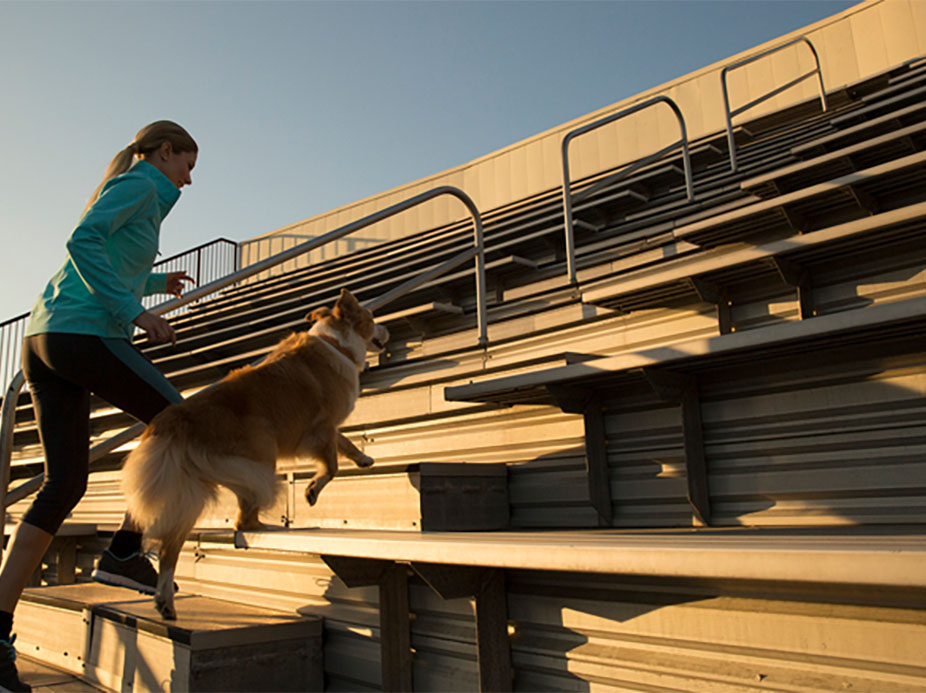
    Regular low-impact exercise works hand in hand with maintaining an ideal body weight and benefits both the owner and the dog. Movement will help to keep joints lubricated and maintain muscle mass. If the pet becomes sedentary due to pain from DJD, they can rapidly lose muscle mass, which will help to increase the progression of the disease.

    >> READ FULL ARTICLE

  • When Does Pet Behavior Hint at Something More?

    When Does Pet Behavior Hint at Something More?

    Help your clients recognize the signs of pain and understand the underlying change in pet behavior.

    It can be difficult for pet owners to understand that the reason they are seeing pet behavior changes is due to an underlying medical issue that results in pain. Obtaining a thorough patient history will help us as veterinary professionals as well as the owner to see which behavior patterns can be related to pain. 

    In the 2015 AAHA/AAFP Pain Management Guidelines,1 there are 3 key indicators to consider when evaluating an animal for pain:

    1. Consistency of normal behavior
    2. Loss of normal behavior
    3. Exhibition of new behaviors

    Recognizing subtle changes in behavior and/or changes in activity level when they start is ideal. Having those key conversations with pet owners prior to dogs reaching mid-life is crucial. The more educated an owner is the more likely they are to be aware of subtle changes and bring their pet to their veterinarian when those changes are observed.

    >> READ FULL ARTICLE

  • Overview of the New AAHA and AAFP Pain Management Guidelines

    Overview of the New AAHA and AAFP Pain Management Guidelines

    Multimodal Approach to Pain Management

    Effective pain management is crucial to the practice of veterinary medicine, the client-doctor relationship, and the quality of life of veterinary patients. In 2015, the American Animal Hospital Association (AAHA) and the Association of Feline Practitioners (AAFP) expanded upon their guidelines from 2007. These guidelines emphasize a multimodal and team approach.

    The guidelines help create a continuum of care that includes anticipation of pain, early intervention, and individualized evaluation of response to therapy. The authors of the AAHA/AAFP guidelines believe that effective pain management generally involves a multimodal strategy using several classes of pain-modifying medications. This approach targets multiple sites in pain pathways potentially allowing lower doses of each drug and helping to minimize side effects associated with single-drug therapy. The choice of medication should be based on expected pain levels and individual patient needs.

    NSAID use for the management of degenerative joint disease (DJD) pain in dogs is strongly supported.[1] NSAID safety and efficacy data suggests an overall benefit from long-term use at labelled dosages and intervals provided the patient has no evidence of additional risk factors.[2] NSAIDs studied for chronic use (between 28 days and 1 year) demonstrated satisfactory safety profiles in dogs, with 95–97% of dogs able to receive their NSAID at labeled doses and intervals without adverse effects for the duration of their study.[1] There is no evidence to date that a higher risk for adverse effects from NSAID use exists as the duration of treatment increases.[1]  Some dogs may require several weeks of NSAID treatment before clinical improvement is noted.[3] The AAHA/AAFP Pain Management Guidelines also provide multiple ways to help minimize the risk of NSAIDs including routine laboratory monitoring, multimodal strategies, use of washout periods, gastroprotectants, and dose optimization for lean body weight.[1]

    >> READ FULL ARTICLE


    [1] Epstein M, Rodan I, Griffenhage G, Kadrlik J, Petty M, Robertson S, et al. 2015 AAHA/AAFP pain management guidelines for dogs and cats. J Am Anim Hosp Assoc (2015) 51:67–84.10.5326/JAAHA-MS-7331.

    [2] Innes JF, Clayton J, Lascelles BD. Review of the safety and efficacy of long-term NSAID use in the treatment of canine osteoarthritis. Vet Rec 2010;166(8):226–30.

    [3] Autefage A, Palissier FM, Asimus E, et al. Long-term efficacy and safety of firocoxib in the treatment of dogs with osteoarthritis. Vet Rec 2011;168(23):617.